
Car-Free Cities Are Coming—What Happens to Car Culture?
For over a century, the car has been more than just a way to get from point A to point B—it’s been a symbol of freedom, identity, and status. From vintage roadsters to custom lowriders and tricked-out street racers, car culture runs deep, especially in countries like the U.S., Germany, and Japan.
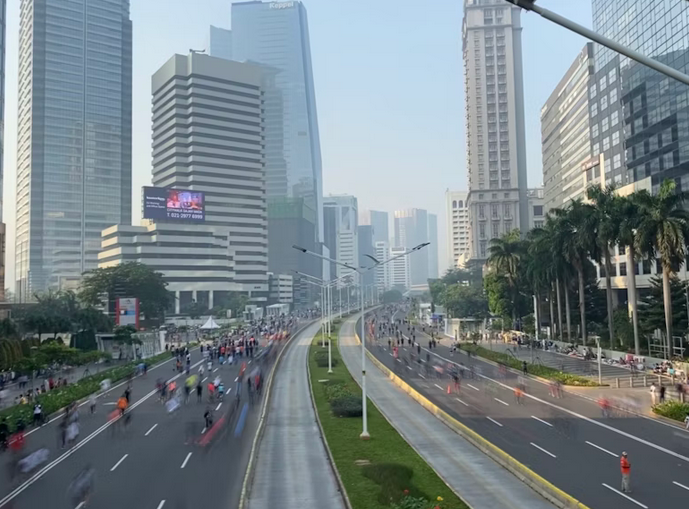
But there’s a shift happening. Cities around the world are starting to rethink the car’s place in urban life. From pedestrian-only downtowns to expanded bike lanes and reliable public transit, the future looks a lot less like bumper-to-bumper traffic and more like walkable, human-centered neighborhoods.
Cities Are Reclaiming Space From Cars

In places like Paris, Oslo, and parts of New York City, entire neighborhoods are being redesigned to prioritize people over vehicles. Sidewalks are getting wider, bike lanes are more protected, and parking spots are disappearing. The goal? Less noise, less pollution, and more livable cities.
While it might feel radical, it’s really a throwback—cities existed for thousands of years before cars ever showed up. As we return to more walkable, transit-friendly models, our dependence on cars, especially in urban areas, starts to shift.
Car Culture Isn’t Dying—It’s Evolving
Let’s be real: cars aren’t going extinct. But the way people engage with them is changing. Instead of commuting 90 minutes in traffic, people might choose to own a car for weekend drives, long-distance trips, or as part of a shared ownership model. In this new landscape, car culture becomes more about passion and less about practicality.
We might see a rise in car clubs, off-grid auto tourism, or virtual spaces where enthusiasts gather. In other words, car culture isn’t going away—it’s just getting more niche and more intentional.
The Rise of “Car-Free” Doesn’t Mean “Anti-Car”

There’s a big difference between being car-free and being anti-car. Most car-free city initiatives are focused on reducing congestion and emissions in dense urban areas—not eliminating cars entirely. It’s about giving people options and reducing our over-reliance on a single mode of transport.
For many, it’s still practical to own a car—but the idea is that you don’t need one to live a full, connected life in the city. This shift actually opens up new ways to enjoy cars—on open roads, not gridlocked downtowns.
Younger Generations View Cars Differently
Gen Z and younger Millennials aren’t as obsessed with car ownership as previous generations. Rideshare apps, remote work, and environmental awareness are reshaping priorities. For many young adults, a car isn’t freedom—it’s a burden of debt, insurance, gas, and maintenance.
Instead, freedom looks like a well-connected metro system or a safe bike route. That doesn’t mean they hate cars—it just means cars aren’t central to their identity. And that change in mindset is already influencing the market and the culture around cars.
There’s Still Room for Passion, Design, and Speed

Even in a car-lite future, the artistry and engineering of vehicles will still have a place. Think of it like vinyl records or analog photography—fewer people use them every day, but those who do are deeply passionate about it. Car design will evolve, perhaps becoming even more specialized and expressive. Classic car restoration, electric conversions of vintage models, or even digital car communities in gaming and VR might become the new hubs for gearheads and speed freaks alike.
The rise of car-free cities doesn’t spell the end of car culture—it just signals a transformation. As our cities become cleaner, quieter, and more human-friendly, the role of the car is being redefined. Less about necessity, more about passion.
Related Post
Reasons Why You Should Hire Professional Movers
There always will come that moment when you will want your items moved from one [...]
Top Benefits of Hiring a Car
Car hire is used by a lot of travelers. With the right car hire, you [...]